Accidents and untoward incidents can happen anytime, anywhere. It doesn’t matter if you’re in the comfort of your home. Homeowners’ insurance protects us from the costly damages we might have to pay if these accidents happen. Some insurance plans are easier to find when getting a Florida homeowners insurance quote. Home insurance covers a lot of potential harm, and here are some of them.
What Is Covered?
Fire- This is the most common reason for many household repairs today. In addition, it is the first thing insurers consider when calculating your premium. Is your home located in an area with frequent fires? Are there specific features of your property (such as layout, materials used, and general fire precautionary measures) that can help reduce the likelihood of a fire? Something as simple as a fire alarm could reduce your pay premium, so inspecting your property for potential improvements before collecting Florida homeowners insurance quotes is best.
Theft – We can’t always be sure we won’t be victims of robberies. If your home is in an area with frequent break-ins and burglaries, your insurer might charge you a higher premium. A burglar alarm can help reduce the premium you pay.
What Else?
Acts of God – Storms, earthquakes, heavy snowfall, and every other act of God are incidents we have no control over. It’s very likely to get your home damaged by these situations, so it’s ideal to consider them when purchasing a home insurance plan. If you have frequently been the victim of these calamities, your insurer can charge you a higher premium for future accidents.
Vandalism – Is your home in a bad neighborhood? Vandalism is an authentic problem that many homeowners face. These days, it’s not just the simple spray paint problem. Something breaks a fence, wall, or window in the worst cases. Ideally, your homeowners’ insurance plan should cover these damages.
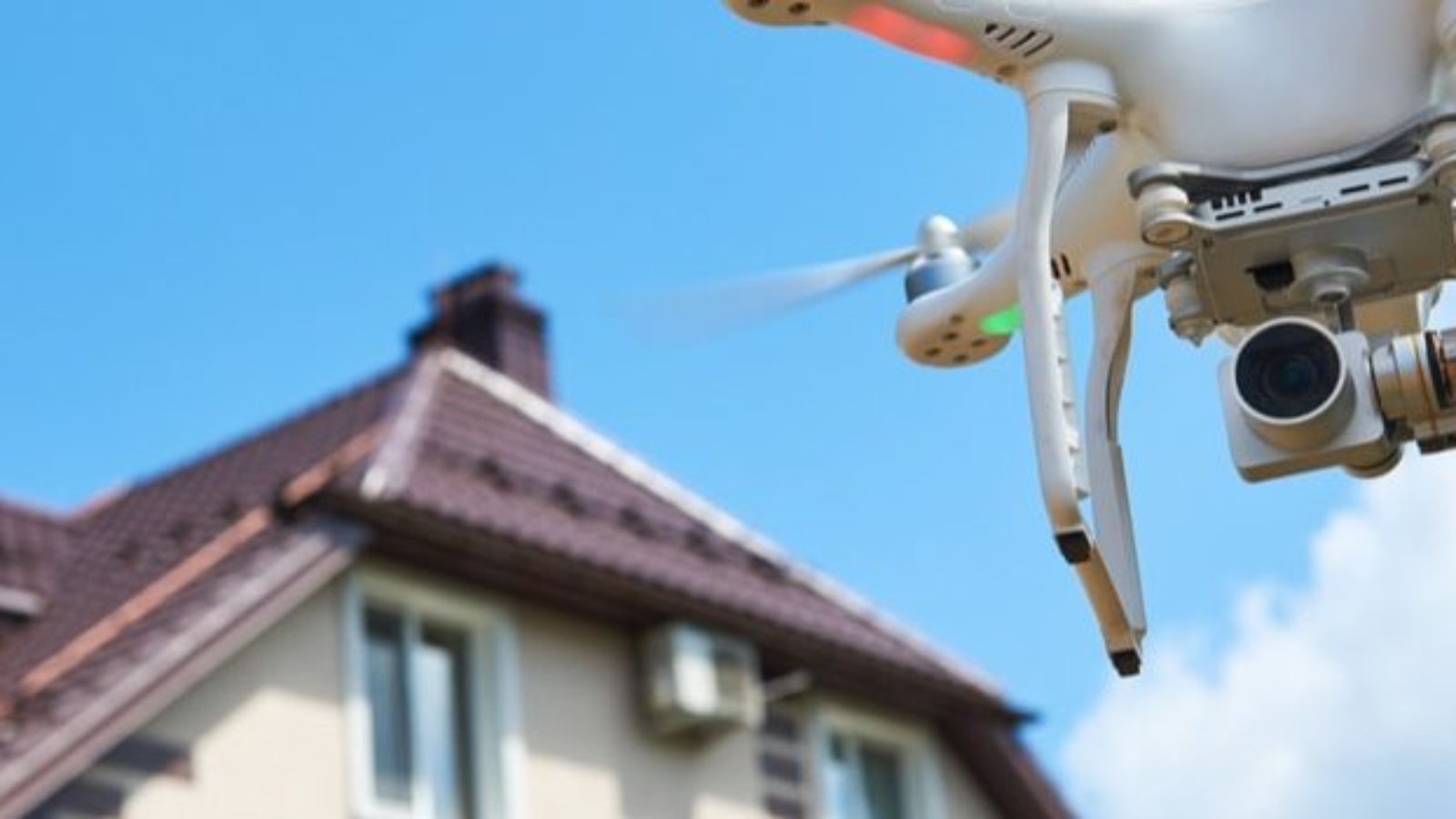
Drones — Recently, some insurers have included drones in their plans. However, Florida homeowners insurance quotes are not exactly common. Still, ensuring that your insurer covers this vital aspect is essential as drones are becoming increasingly commercially available, making the likelihood of incurring damages caused by drones all too real.
Florida Homeowners Insurance Quote
Well, there you are. Five different types of coverages that you may not have thought of previously. Furthermore, if you want a Florida homeowners insurance quote, visit Florida Insurance Quotes and get a quote today.